The day I retired, my sister called and said, “So what are you going to do now?”
She did not mean it as a question about my plans. She meant it as a worry. Like retirement was a cliff I had just walked off, and she was waiting to hear the thud.
I understand why she asked. Our culture treats retirement like a final chapter. The last act. The slow fade. You work, you retire, you wait. For what? Nobody says it out loud, but the implication is always there.
I am here to say that is nonsense.
I retired four years ago at 67. And the life I have built since then is the most alive I have ever felt.
The Story We Are Told
From the time we are young, we are told one story about life. It goes like this:
You grow up. You go to school. You get a job. You work hard. You raise a family. You retire. You rest.
That last word, “rest,” does a lot of heavy lifting. It sounds peaceful. But what it really means is: stop. Stop contributing. Stop growing. Stop mattering.
The retirement cards say it all. “Enjoy the easy life!” “Time to relax!” “You have earned a break!” As if the best thing about retirement is the absence of activity. As if doing nothing is the prize for decades of doing something.
I reject that. Completely.
What I Discovered
When I left my job as a school administrator, I expected to feel lost. Everyone warned me about it. “You will miss the structure,” they said. “You will not know what to do with yourself.”
For the first two weeks, they were right. I woke up on Monday morning with no place to be. I made coffee and sat at the kitchen table and felt a little hollow. The silence was louder than I expected.
But then something shifted. That hollow feeling was not emptiness. It was space. Space I had never had before. Space to think about what I actually wanted, not what I had to do.
I started small. I signed up for a watercolor class at the community center. I had always wanted to paint but never had time. The first class was terrible. My painting looked like a wet napkin. I loved every minute of it.
Then I joined a hiking group. Then I started volunteering at a literacy program. Then I wrote a short story and submitted it to a local magazine. They published it. I cried.
None of this was on my retirement plan. I did not have a retirement plan. I just had space. And the space filled itself.
The Identity Problem
One of the hardest parts of retirement is losing your work identity. For decades, when someone asked “What do you do?” you had an answer. You were a teacher, a nurse, an engineer, an accountant. That title was not just a job description. It was a piece of who you were.
When you retire, that answer goes away. “What do you do?” becomes a question you dread. “Oh, I am retired” feels like saying “Oh, I am done.”
But here is what I have learned: retirement does not take away your identity. It strips away the identity that was given to you and invites you to build one you choose.
That is terrifying. It is also the greatest gift.
I am no longer a school administrator. I am a painter (a bad one, but I am improving). I am a hiker. I am a literacy tutor. I am a writer. I am someone who takes long walks and reads thick novels and calls old friends on Tuesday afternoons because I can.
I did not lose myself in retirement. I found parts of myself that had been buried under 40 years of work.
The Purpose Question
People worry about purpose in retirement. “What will give your life meaning?” they ask, as if a paycheck is the only source of it.
Let me be honest: I had days in my career when my work felt completely meaningless. Meetings that accomplished nothing. Reports no one read. Policies that changed before the ink was dry. I showed up because I had to, not because it filled my soul.
Purpose does not come from a job title. It comes from connection, creativity, contribution, and growth. And you can find all of those without a W-2.
Here is what gives me purpose now:
- Teaching an adult to read. I volunteer two mornings a week at a literacy center. When a 55-year-old man reads a full sentence for the first time, the look on his face is worth more than any performance review I ever received.
- Making something. A painting. A meal. A story. The act of creating something that did not exist before is deeply satisfying.
- Being present for people. I have time now. When a friend needs to talk, I am available. When my grandchild has a school play, I am there. Presence is a form of purpose.
- Learning. I am taking an online course about the history of jazz. I do not need it for anything. I just want to know. Curiosity is its own reward.
Stop Planning. Start Experimenting.
The retirement industry wants you to plan everything. Plan your finances. Plan your activities. Plan your legacy. Plan, plan, plan.
I think too much planning is the enemy of a good retirement.
Plans are rigid. They assume you know what you want before you have had the chance to discover it. They turn retirement into another project to manage.
Instead, I recommend experimenting. Try things. Say yes to invitations. Take a class in something you know nothing about. Volunteer somewhere unexpected. Travel to a place that was never on your list.
Some experiments will fail. I tried pottery and hated it. I joined a book club that turned out to be a gossip circle. I signed up for a 5K and pulled a muscle on training day two.
That is fine. Failure in retirement has no consequences. Nobody is grading you. Nobody is evaluating your performance. You can quit anything at any time and try something else.
That freedom is extraordinary. Use it.
The Loneliness Trap
I will not pretend everything about retirement is wonderful. Loneliness is real. When you leave the workplace, you lose a social network that took years to build. If you are not careful, days can pass without a meaningful conversation.
This is the one part of retirement that does require planning. You have to be intentional about staying connected.
What works for me:
- Scheduled social time. I have coffee with a friend every Wednesday. I hike with a group on Saturdays. These are on my calendar and I treat them like appointments.
- Volunteering. My literacy work puts me in a room with other people who care about something. Shared purpose creates fast friendships.
- Saying yes. When someone invites me to something, my default answer is yes. Even if I am tired. Even if I would rather stay home. Connection requires effort.
- Reaching out first. I do not wait for the phone to ring. I call people. I send notes. I suggest lunch. Being the one who reaches out is a small act of courage that pays off every time.
A Message to the Almost-Retired
If you are approaching retirement and feeling afraid, I understand. I was afraid too. The unknown is always scary.
But let me tell you what is on the other side: freedom. Real freedom. The kind you have not had since you were a child, when a summer day stretched out in front of you with nothing on it but possibility.
You will have hard days. You will miss parts of your old life. You will wonder if you matter. Those feelings are normal and they pass.
What replaces them is something better than you expect. A life shaped by your choices, not your obligations. A schedule built around what you love, not what you owe. Mornings that belong to you.
Retirement is not the end of the story. It is the chapter where you finally get to hold the pen.
What I Told My Sister
My sister called again last month. “So,” she said, “what have you been up to?”
This time it was a real question. Not a worry.
I told her about my painting class, my hiking group, my writing. I told her about the man at the literacy center who read his first book. I told her about the jazz course and the terrible pottery and the pulled muscle.
She laughed. “You are busier now than when you were working.”
She is right. I am. But the difference is that every single thing I am busy with is something I chose. And that makes all the difference.
Dorothy Marshall is a retired school administrator, volunteer literacy tutor, and beginning watercolor artist based in Asheville, North Carolina. For corrections or updates, please contact us.
Topics in this story
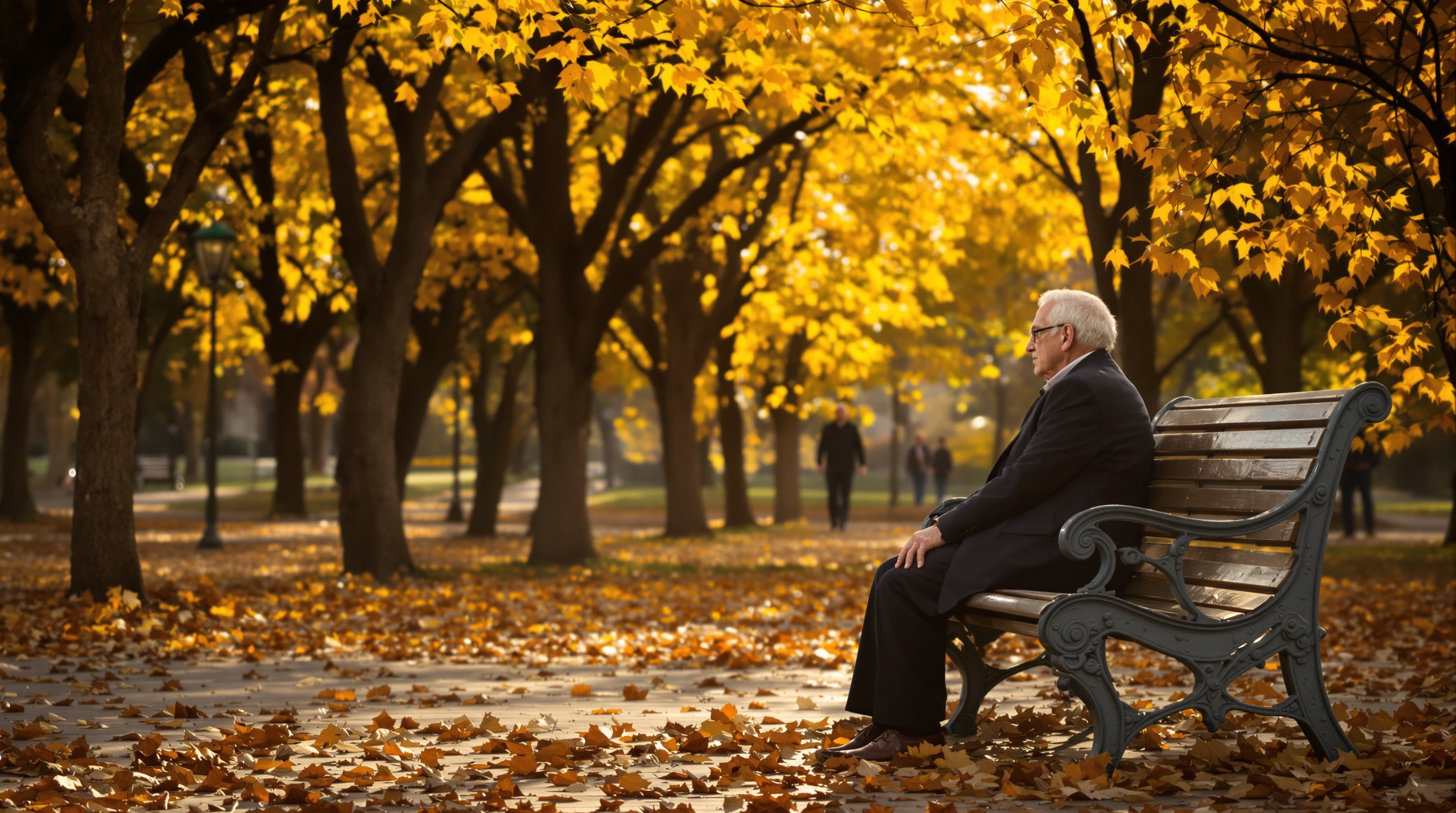
It Is Time We Talk Honestly About Loneliness in Retirement
Retirement can bring freedom, but it can also bring deep loneliness. We need to stop pretending otherwise and start having real conversations.
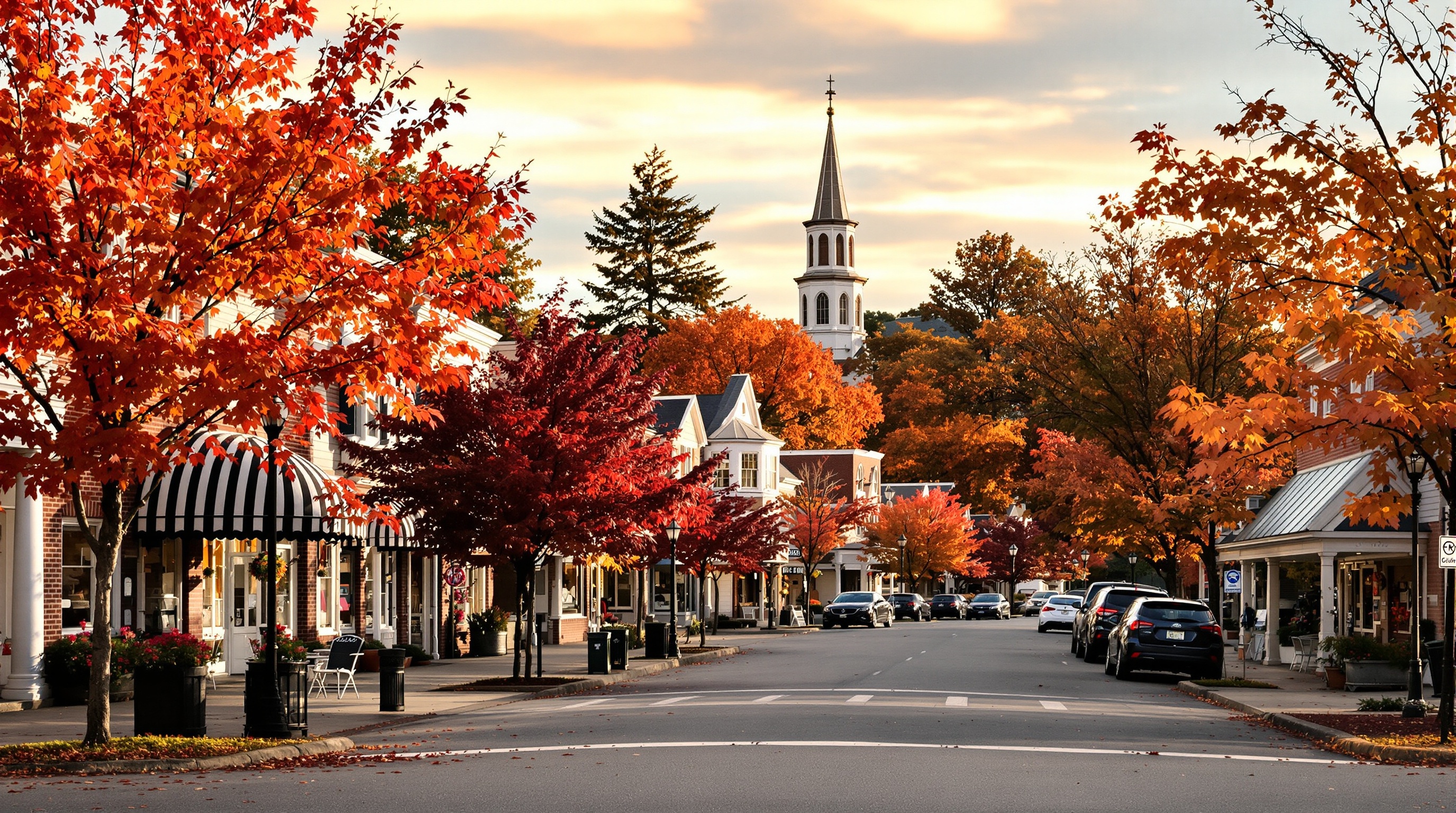
The Best Small Towns for Retirement in 2026, According to New Rankings
New data reveals the best small towns for retirement in 2026. See which affordable, friendly communities made the list and what makes them stand out.

Why I Am Optimistic About Technology for Older Adults
A retired engineer makes the case that technology is getting better for seniors, not worse, and explains why the best is still ahead.