Year after year, the Mediterranean diet tops the list of the healthiest diets in the world. Doctors recommend it. Researchers study it. And the people who eat this way tend to live longer, healthier lives.
But what is it, exactly? And how do you start?
The good news is that the Mediterranean diet is not really a “diet” in the way most people think. There is no calorie counting. No special foods you have to buy. No meals that taste like cardboard. It is simply a way of eating based on what people in countries like Greece, Italy, and Spain have eaten for centuries.
Here is a plain-English guide to getting started.
What the Mediterranean Diet Actually Is
The Mediterranean diet focuses on whole, unprocessed foods. It is built around plants, healthy fats, and lean proteins.
Eat plenty of these every day:
- Vegetables (all kinds, all colors)
- Fruits
- Whole grains (brown rice, whole wheat bread, oatmeal, quinoa)
- Beans, lentils, and chickpeas
- Nuts and seeds
- Olive oil (the main cooking fat)
- Herbs and spices
Eat these a few times per week:
- Fish and seafood (especially fatty fish like salmon, sardines, and mackerel)
- Poultry (chicken, turkey)
- Eggs
- Yogurt and cheese (in moderate amounts)
Eat these rarely:
- Red meat (once a week or less)
- Sweets and desserts
- Processed foods (chips, frozen dinners, packaged snacks)
- Sugary drinks
Avoid these:
- Trans fats
- Highly processed meats (hot dogs, bacon, deli meat)
- Sugary cereals
- Refined white bread and pasta (switch to whole grain)
Why It Works So Well After 55
The Mediterranean diet is not just about weight loss. It protects against the health problems that become more common with age.
Heart health. This diet lowers LDL cholesterol (the “bad” kind) and reduces inflammation. A major study called PREDIMED found that people on the Mediterranean diet had a 30% lower risk of heart attack and stroke compared to a low-fat diet.
Brain health. Research links the Mediterranean diet to slower cognitive decline. People who follow it closely have a lower risk of Alzheimer’s disease and dementia. The healthy fats from olive oil and fish seem to be a big part of why.
Blood sugar control. The emphasis on whole grains, vegetables, and healthy fats helps keep blood sugar steady. This matters if you have diabetes or prediabetes. Several studies show the diet can improve insulin sensitivity.
Bone health. The diet is rich in calcium (from yogurt, cheese, and leafy greens) and vitamin D (from fish). Both are key for strong bones as you age.
Joint health. Anti-inflammatory foods like olive oil, fatty fish, and colorful vegetables may help reduce joint pain and stiffness.
How to Start (Without Overhauling Your Kitchen)
You do not need to change everything at once. Small shifts add up. Here is a week-by-week approach:
Week 1: Switch Your Fats
Replace butter and vegetable oil with extra virgin olive oil. Use it for cooking, roasting vegetables, and making salad dressing. Drizzle it on bread instead of using butter.
This one change makes a big difference. Olive oil is rich in monounsaturated fats and antioxidants that protect your heart and reduce inflammation.
Week 2: Add More Vegetables
Aim for vegetables at every meal, including breakfast. Add spinach or tomatoes to your eggs. Have a salad with lunch. Fill half your dinner plate with vegetables.
Buy whatever is in season and on sale. Frozen vegetables count, too. They are picked at peak ripeness and flash-frozen, so they keep their nutrients well.
Week 3: Eat Fish Twice a Week
If you already enjoy fish, this is easy. If you do not, start with mild-tasting options like tilapia, cod, or shrimp. Salmon is the gold standard because it is packed with omega-3 fatty acids, but any fish is better than none.
Canned tuna and canned salmon are inexpensive and work great in salads, sandwiches, and pasta dishes.
Week 4: Swap Your Grains
Switch from white rice to brown rice. Choose whole wheat pasta instead of regular. Pick whole grain bread. Try oatmeal for breakfast if you do not already eat it.
Whole grains have more fiber, which helps digestion and keeps you full longer.
A Sample Day of Mediterranean Eating
Here is what a typical day might look like:
Breakfast: Greek yogurt with fresh berries, a drizzle of honey, and a handful of walnuts. A cup of coffee or tea.
Lunch: A big salad with mixed greens, cherry tomatoes, cucumbers, chickpeas, feta cheese, and olive oil and lemon dressing. A piece of whole grain bread on the side.
Snack: An apple with a small handful of almonds.
Dinner: Baked salmon with roasted broccoli and brown rice. A glass of water with lemon.
Dessert: A few squares of dark chocolate or a small bowl of fresh fruit.
Simple Mediterranean Recipes to Try
Lemon Herb Baked Chicken Thighs
Ingredients:
- 4 bone-in, skin-on chicken thighs
- 2 tablespoons extra virgin olive oil
- Juice of 1 lemon
- 3 cloves garlic, minced
- 1 teaspoon dried oregano
- 1 teaspoon dried thyme
- Salt and pepper to taste
Instructions:
- Preheat oven to 400 degrees.
- Mix olive oil, lemon juice, garlic, oregano, thyme, salt, and pepper in a bowl.
- Place chicken thighs in a baking dish. Pour the mixture over the chicken.
- Bake 35 to 40 minutes until the skin is golden and the internal temperature reaches 165 degrees.
- Serve with a green salad and crusty bread.
Quick Chickpea and Tomato Stew
Ingredients:
- 2 cans (15 oz each) chickpeas, drained and rinsed
- 1 can (14 oz) diced tomatoes
- 1 small onion, diced
- 3 cloves garlic, minced
- 2 cups fresh spinach
- 2 tablespoons olive oil
- 1 teaspoon cumin
- 1 teaspoon paprika
- Salt and pepper to taste
Instructions:
- Heat olive oil in a large skillet over medium heat.
- Add onion and cook 4 minutes until soft.
- Add garlic, cumin, and paprika. Stir for 30 seconds.
- Add chickpeas and diced tomatoes. Simmer 10 minutes.
- Stir in spinach and cook until wilted, about 2 minutes.
- Season with salt and pepper. Serve over brown rice or with bread.
Common Questions
Is the Mediterranean diet expensive? It does not have to be. Beans, lentils, eggs, canned fish, frozen vegetables, and whole grains are all affordable. You may spend less by cutting back on processed foods and red meat.
Can I still eat bread? Yes. Bread is part of the Mediterranean diet. Choose whole grain bread and enjoy it with olive oil instead of butter.
What about wine? Moderate red wine consumption (one glass per day for women, up to two for men) is part of the traditional Mediterranean diet. But if you do not drink, there is no reason to start. Talk to your doctor if you take medications that interact with alcohol.
Will I lose weight? Many people do, because the diet is naturally filling and lower in processed calories. But weight loss is not the main goal. Better health is.
Can I follow this if I have diabetes? The Mediterranean diet is actually one of the best eating patterns for managing diabetes. The focus on whole grains, healthy fats, and vegetables helps keep blood sugar stable. Talk to your doctor before making major changes, especially if you take insulin or blood sugar medication.
Tips for Sticking With It
Do not aim for perfection. If you eat Mediterranean-style 80% of the time, you will still get major benefits. A slice of birthday cake or a burger at a cookout will not undo your progress.
Cook at home more often. Restaurant meals tend to be higher in salt, sugar, and unhealthy fats. Even simple home cooking puts you ahead.
Stock your pantry. Keep canned beans, canned tomatoes, olive oil, whole grain pasta, canned fish, and dried herbs on hand. With these basics, you can always make a healthy meal in minutes.
Eat with others when you can. In Mediterranean culture, meals are social events. Eating with friends or family makes food more enjoyable and helps you eat more slowly.
Give it time. Your taste buds adjust. If you are used to a lot of salt, sugar, and processed food, whole foods may taste bland at first. Within a few weeks, you will start to notice and enjoy natural flavors you never tasted before.
The Mediterranean diet is not a fad. It is a way of eating that has kept people healthy for thousands of years. And it is never too late to start.
Reported by Janet Collins with additional research from the SeniorDaily editorial team. For corrections or updates, please contact us.
Topics in this story
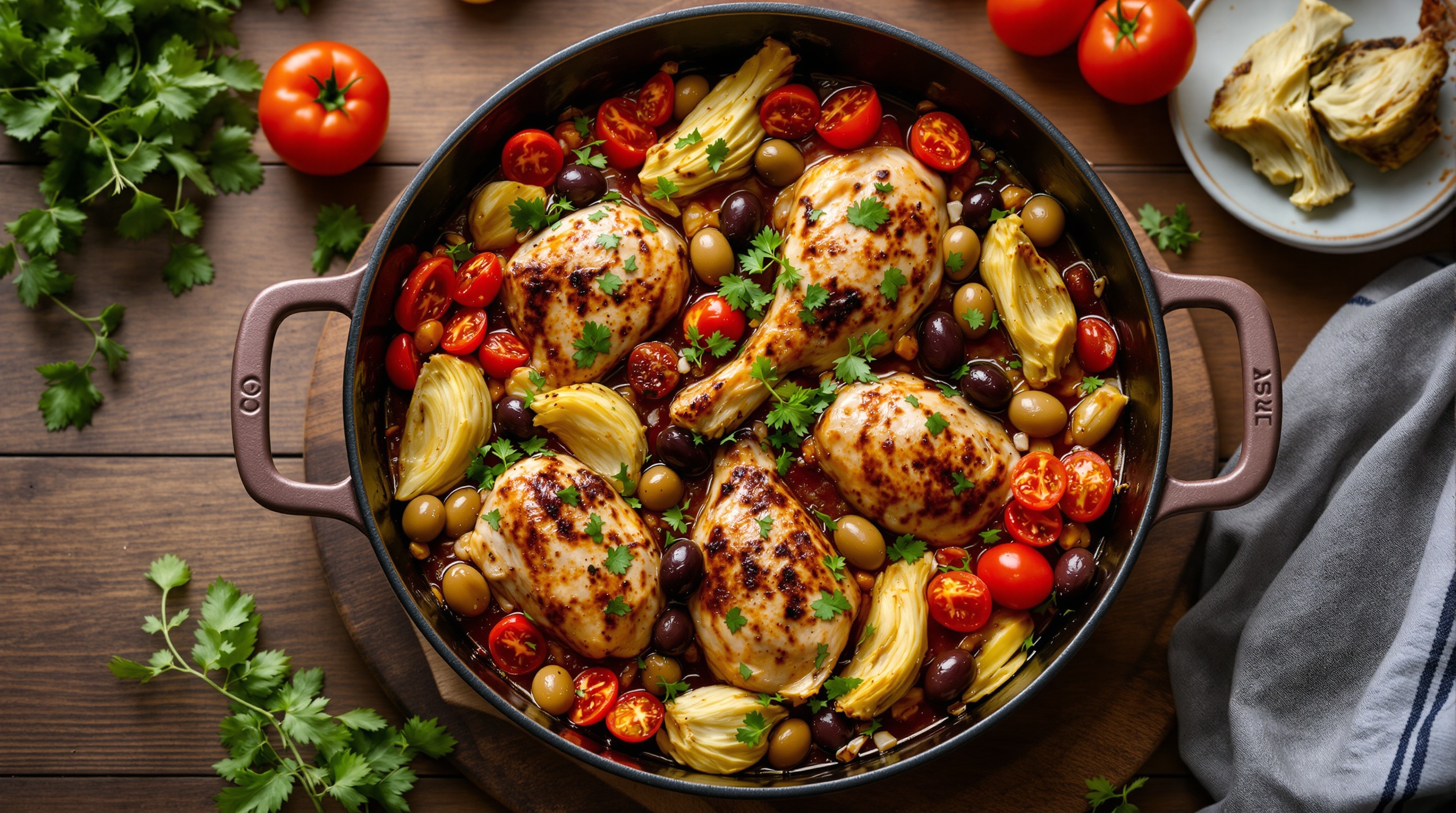
5 Heart-Healthy One-Pot Dinners Ready in 30 Minutes
Quick and easy one-pot meals that support heart health. These simple dinners use whole ingredients, lean proteins, and plenty of vegetables.
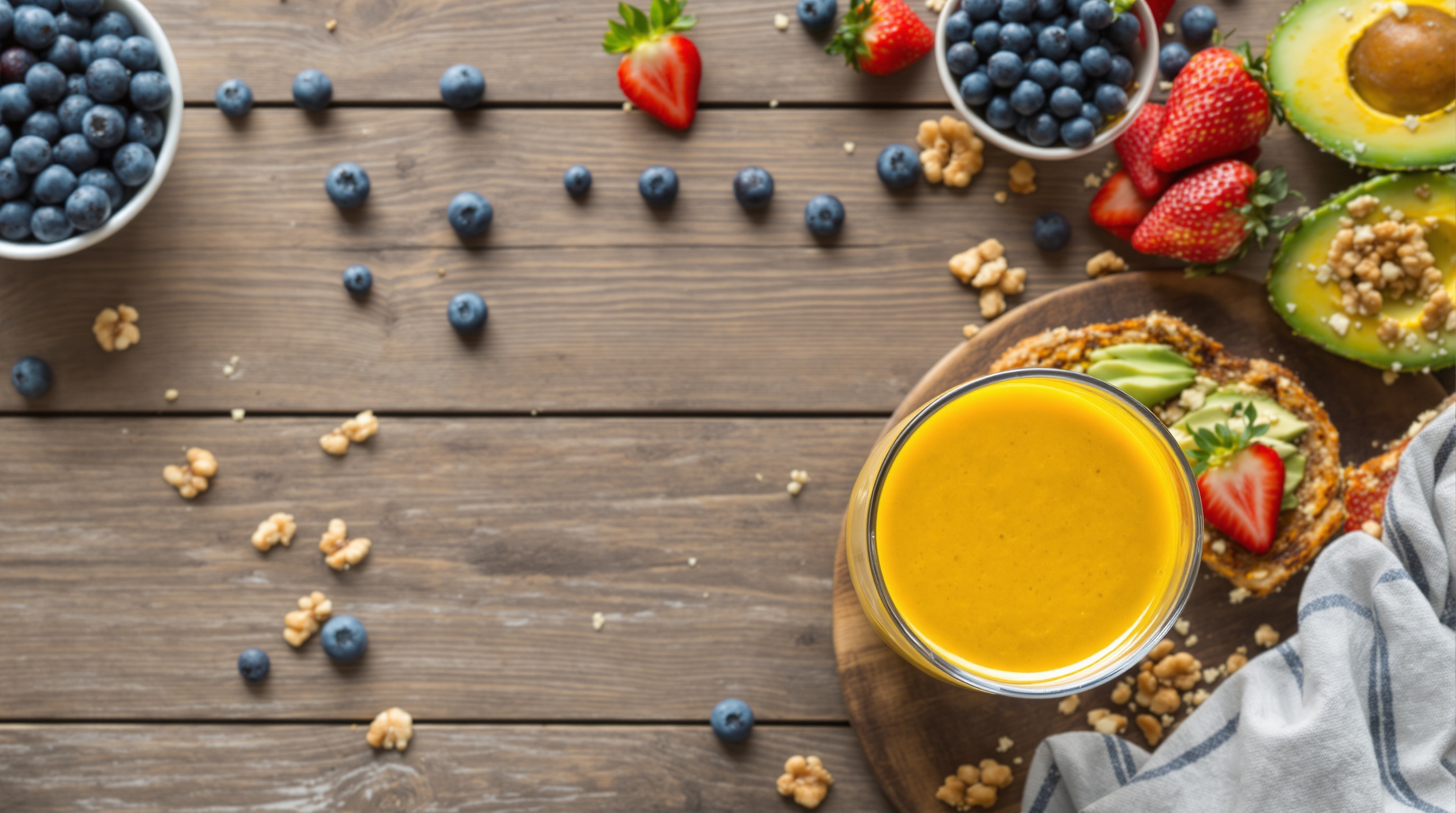
Anti-Inflammatory Breakfasts That Fight Joint Pain and Boost Energy
Start your day with foods that reduce inflammation and ease joint stiffness. These simple breakfast recipes use ingredients backed by science.
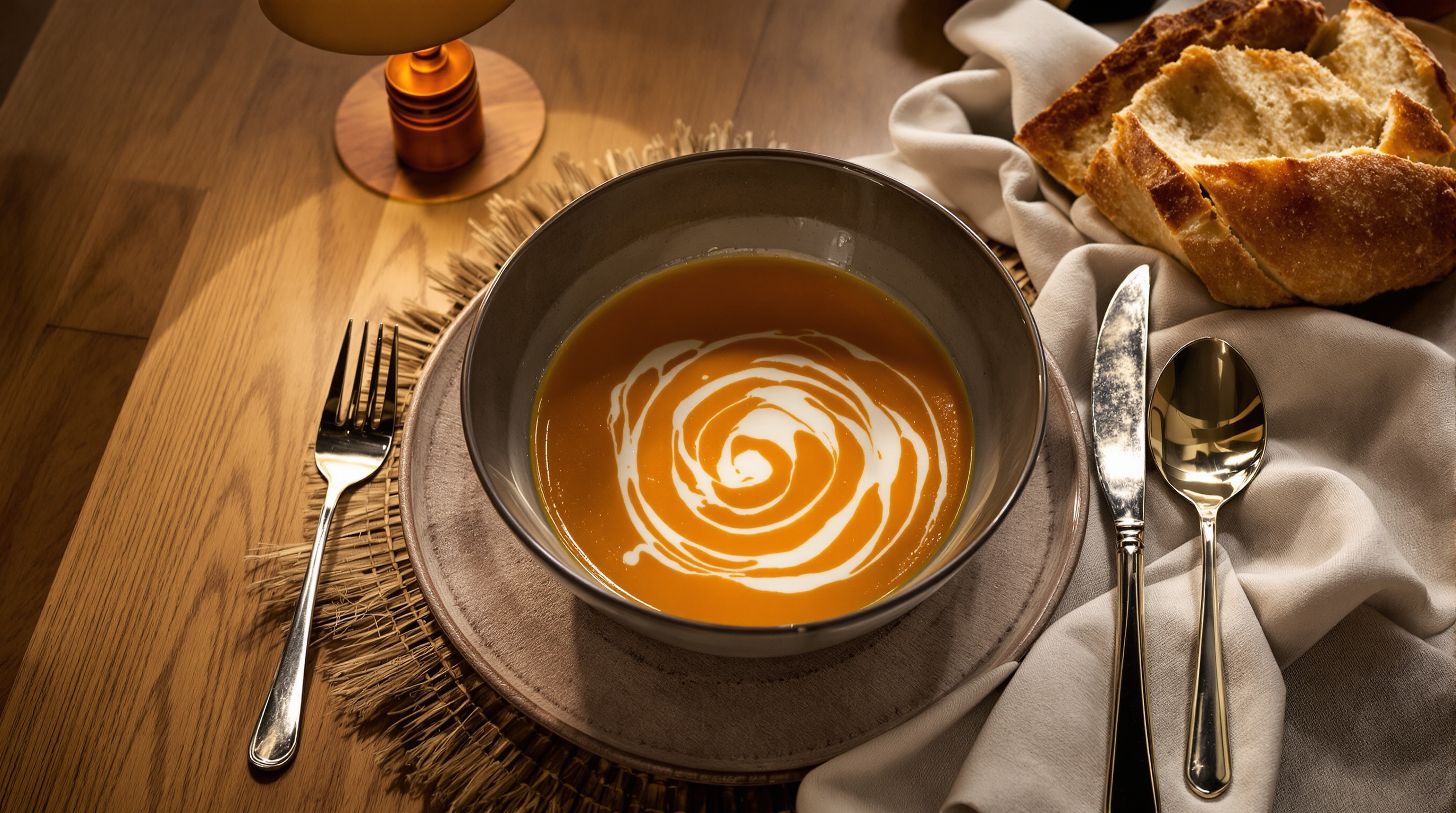
Cooking for One: Practical Tips and Recipes That Don't Create Waste
Simple strategies and recipes for solo cooks. Learn how to buy smart, store food right, and make meals that are just the right size.