Cooking for one person can feel like a losing battle. Recipes make four servings. Produce goes bad before you use it. You end up eating the same leftovers three days in a row or tossing food in the trash.
It does not have to be this way. With a few smart habits and the right recipes, you can cook meals that are fresh, varied, and perfectly sized for one.
The Real Problem with Cooking for One
Most cookbooks and recipes are written for families. A “small batch” recipe still makes two to four servings. Grocery stores sell vegetables in large bags. Bread comes in loaves that go stale before you finish them.
The result is waste. The average American throws away about a pound of food per day, according to the USDA. For people living alone, the waste rate is even higher.
But cooking for yourself also has real advantages. You eat exactly what you want. You control the ingredients. You can try new things without worrying if anyone else will like them.
Smart Shopping for One
The grocery store is where the fight against waste begins. Here are some practical tips:
- Buy from the salad bar. Many stores let you scoop small amounts of chopped vegetables, olives, cheese, and more. You pay a bit more per pound, but you waste less.
- Choose frozen vegetables. They are just as nutritious as fresh, and you can use exactly what you need. The rest stays good in the freezer for months.
- Pick smaller cuts of meat. Ask the butcher to wrap single portions. Many stores also sell individually packed chicken breasts and fish fillets.
- Buy half loaves of bread. Some bakeries sell these. If yours does not, freeze half the loaf right away.
- Shop the bulk bins. Buy small amounts of rice, oats, nuts, and spices instead of full packages.
- Make a list and stick to it. Impulse buys are the biggest source of food waste for solo shoppers.
Storage Tips That Save Food
Once you get food home, proper storage keeps it fresh longer.
- Wrap herbs in a damp paper towel and store them in a sealed bag in the fridge. They will last up to two weeks.
- Freeze leftover broth in ice cube trays. Pop out a cube or two whenever you need a splash for cooking.
- Store bananas away from other fruit. They release a gas that makes everything around them ripen faster.
- Keep bread in the freezer. Toast slices straight from frozen. They taste just as good.
- Use clear containers in the fridge. If you can see the food, you are more likely to eat it before it goes bad.
- Label and date everything you put in the freezer. A piece of tape and a marker is all you need.
Recipe 1: Single-Serve Pasta with Cherry Tomatoes and Garlic
This is comfort food at its simplest. It takes 15 minutes and uses just one pot and one pan.
Ingredients:
- 2 oz dried spaghetti or penne (about a 1-inch bundle of spaghetti)
- 1 cup cherry tomatoes, halved
- 2 cloves garlic, thinly sliced
- 1 tablespoon olive oil
- 1/4 teaspoon red pepper flakes (optional)
- 2 tablespoons grated Parmesan cheese
- Fresh basil if you have it
- Salt and pepper to taste
Instructions:
- Cook pasta in salted boiling water according to the package directions. Save 1/4 cup of the pasta water before draining.
- While pasta cooks, heat olive oil in a skillet over medium heat. Add garlic and cook 1 minute until golden.
- Add cherry tomatoes and red pepper flakes. Cook 3 to 4 minutes until tomatoes soften and start to burst.
- Add the drained pasta to the skillet. Toss with the tomatoes. Add a splash of pasta water to create a light sauce.
- Top with Parmesan and basil. Eat right away.
Serves 1. About 380 calories.
Recipe 2: One-Egg Fried Rice
Leftover rice is perfect for this quick meal. If you do not have leftover rice, cook a half cup of dry rice the night before and let it cool in the fridge.
Ingredients:
- 3/4 cup cooked rice (white or brown, cold from the fridge works best)
- 1 large egg
- 1/3 cup frozen peas and carrots (no need to thaw)
- 1 green onion, sliced
- 1 teaspoon low-sodium soy sauce
- 1/2 teaspoon sesame oil
- 1 tablespoon vegetable or olive oil
Instructions:
- Heat oil in a nonstick skillet over medium-high heat.
- Add frozen peas and carrots. Cook 2 minutes.
- Push vegetables to one side. Crack the egg into the empty space. Scramble it quickly.
- Add the cold rice. Stir everything together and cook for 3 minutes, pressing the rice against the pan to get some crispy bits.
- Add soy sauce and sesame oil. Toss to coat.
- Top with sliced green onion.
Serves 1. About 340 calories.
Recipe 3: Quick Bean and Cheese Quesadilla
Canned beans are a solo cook’s best friend. They last for years, they are cheap, and they are full of protein and fiber.
Ingredients:
- 1 medium flour tortilla (8-inch)
- 1/3 cup canned black beans, drained and rinsed
- 1/4 cup shredded cheese (cheddar or Mexican blend)
- 2 tablespoons salsa
- Optional: diced avocado, sour cream, hot sauce
Instructions:
- Mash the beans lightly with a fork. You want them partly mashed, partly whole.
- Spread beans on one half of the tortilla. Top with cheese and salsa.
- Fold the tortilla in half.
- Cook in a dry skillet over medium heat for 2 to 3 minutes per side until golden and the cheese melts.
- Cut into wedges. Serve with your favorite toppings.
Serves 1. About 350 calories.
Recipe 4: Sheet Pan Salmon for One
Cooking a single piece of fish is fast and easy. The vegetables roast alongside the salmon, so cleanup is minimal.
Ingredients:
- 1 salmon fillet (about 5 oz)
- 1 cup broccoli florets
- 1/2 cup sliced zucchini
- 1 tablespoon olive oil
- 1/2 teaspoon garlic powder
- 1/4 teaspoon black pepper
- 1 lemon wedge
Instructions:
- Preheat your oven to 400 degrees F. Line a small baking sheet with foil.
- Toss broccoli and zucchini with half the olive oil and garlic powder. Spread on one side of the sheet.
- Place salmon on the other side. Brush with remaining olive oil and sprinkle with pepper.
- Roast for 15 minutes until the salmon flakes easily with a fork.
- Squeeze lemon over everything before eating.
Serves 1. About 370 calories.
Recipe 5: Simple Soup from Whatever You Have
This is more of a method than a recipe. It uses whatever vegetables you have on hand before they go bad.
Ingredients:
- 1 tablespoon olive oil or butter
- 1/4 cup diced onion (or a handful of sliced green onion)
- 1 to 2 cups chopped vegetables (anything: carrots, celery, zucchini, potatoes, spinach, corn)
- 1 and 1/2 cups low-sodium broth (chicken or vegetable)
- 1/2 teaspoon dried herbs (Italian seasoning, thyme, or oregano)
- Salt and pepper to taste
- Optional: 1/3 cup cooked pasta, rice, or canned beans
Instructions:
- Heat oil in a small pot over medium heat. Add onion and cook 2 minutes.
- Add your hardest vegetables first (carrots, potatoes). Cook 3 minutes.
- Add broth and herbs. Bring to a simmer.
- Cook 10 to 15 minutes until vegetables are tender.
- Add any soft vegetables (spinach, corn) and cooked pasta, rice, or beans in the last 2 minutes.
- Season to taste and serve with a piece of toast.
Serves 1. Calories vary based on ingredients, roughly 200 to 350.
The Freezer Is Your Best Tool
When you do cook more than one serving, freeze the extra right away. Do not put it in the fridge thinking you will eat it tomorrow. Chances are, you will not.
Good foods to freeze in single portions:
- Soups and stews
- Cooked grains (rice, quinoa)
- Cooked beans
- Muffins and pancakes
- Sauces (tomato sauce, pesto)
Use freezer-safe containers or zip-top bags. Press out as much air as possible. Most frozen meals taste best within three months.
You Deserve a Good Meal
Cooking for one is not sad or lonely. It is a skill. It means you are taking care of yourself. Every meal you make at home saves you money, gives you better nutrition, and keeps your mind active.
Start with one recipe from this list. Try it this week. Once you see how easy it is, the second one will come naturally.
Reported by Janet Collins with additional research from the SeniorDaily editorial team. For corrections or updates, please contact us.
Topics in this story
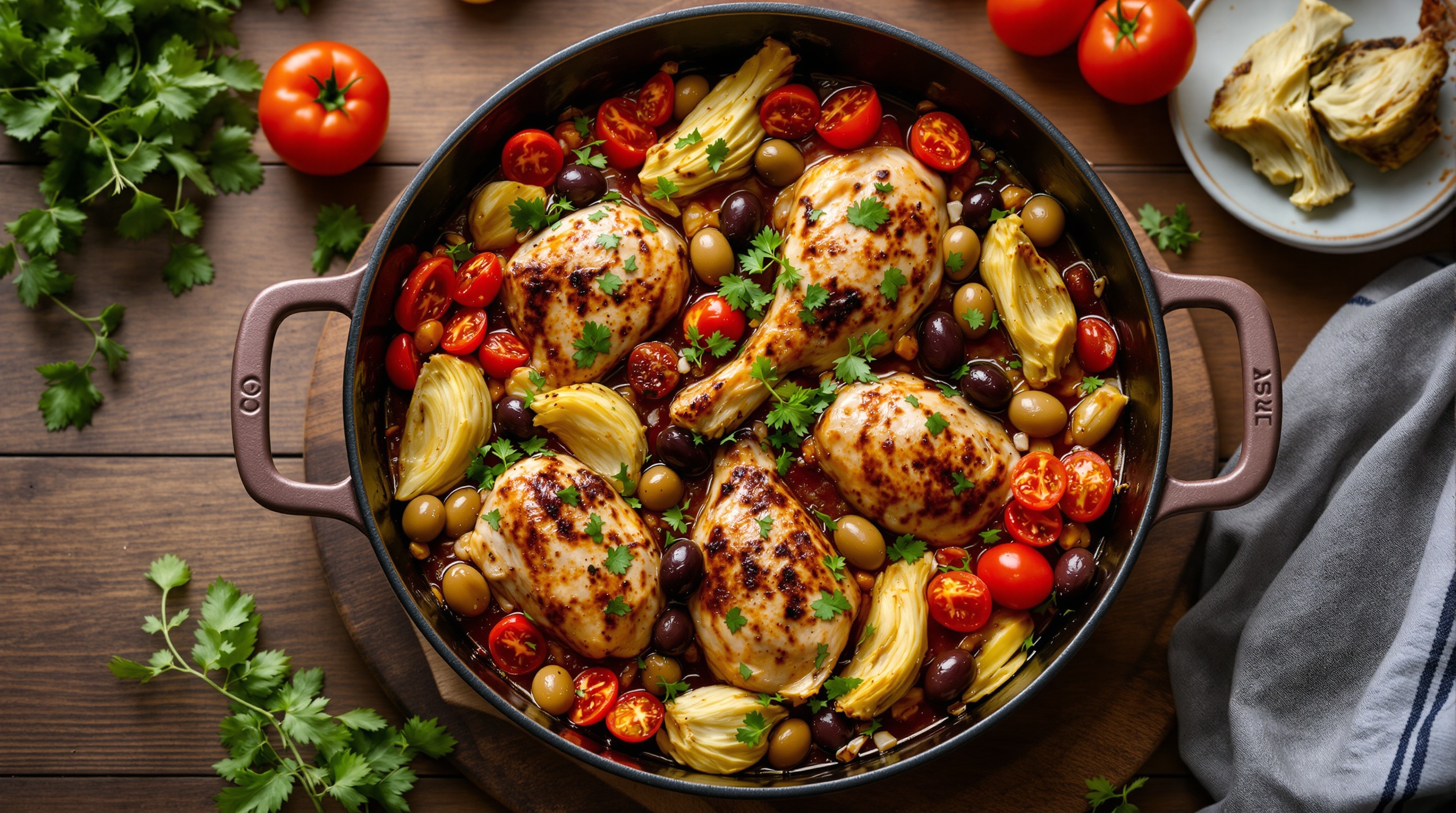
5 Heart-Healthy One-Pot Dinners Ready in 30 Minutes
Quick and easy one-pot meals that support heart health. These simple dinners use whole ingredients, lean proteins, and plenty of vegetables.
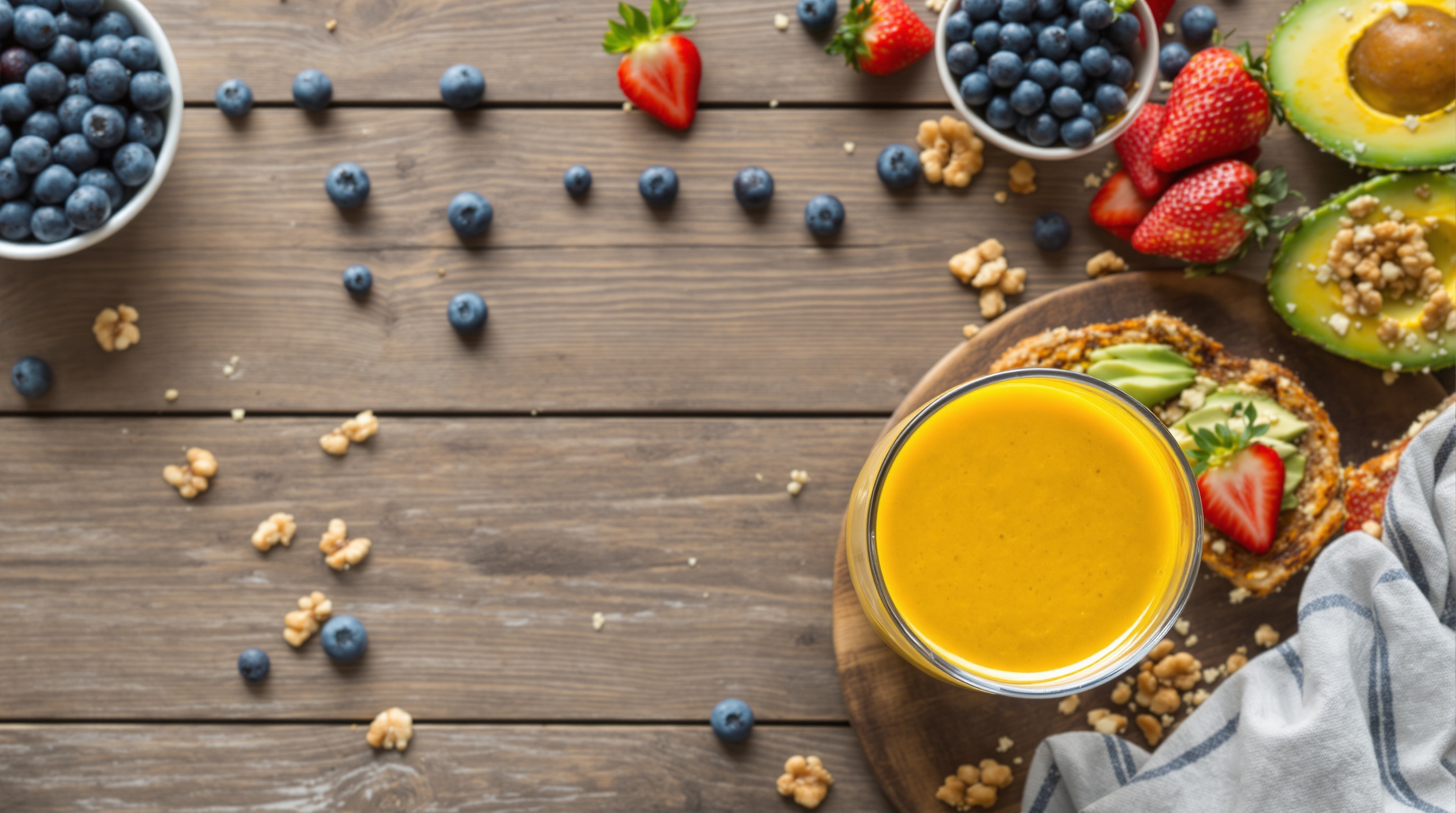
Anti-Inflammatory Breakfasts That Fight Joint Pain and Boost Energy
Start your day with foods that reduce inflammation and ease joint stiffness. These simple breakfast recipes use ingredients backed by science.
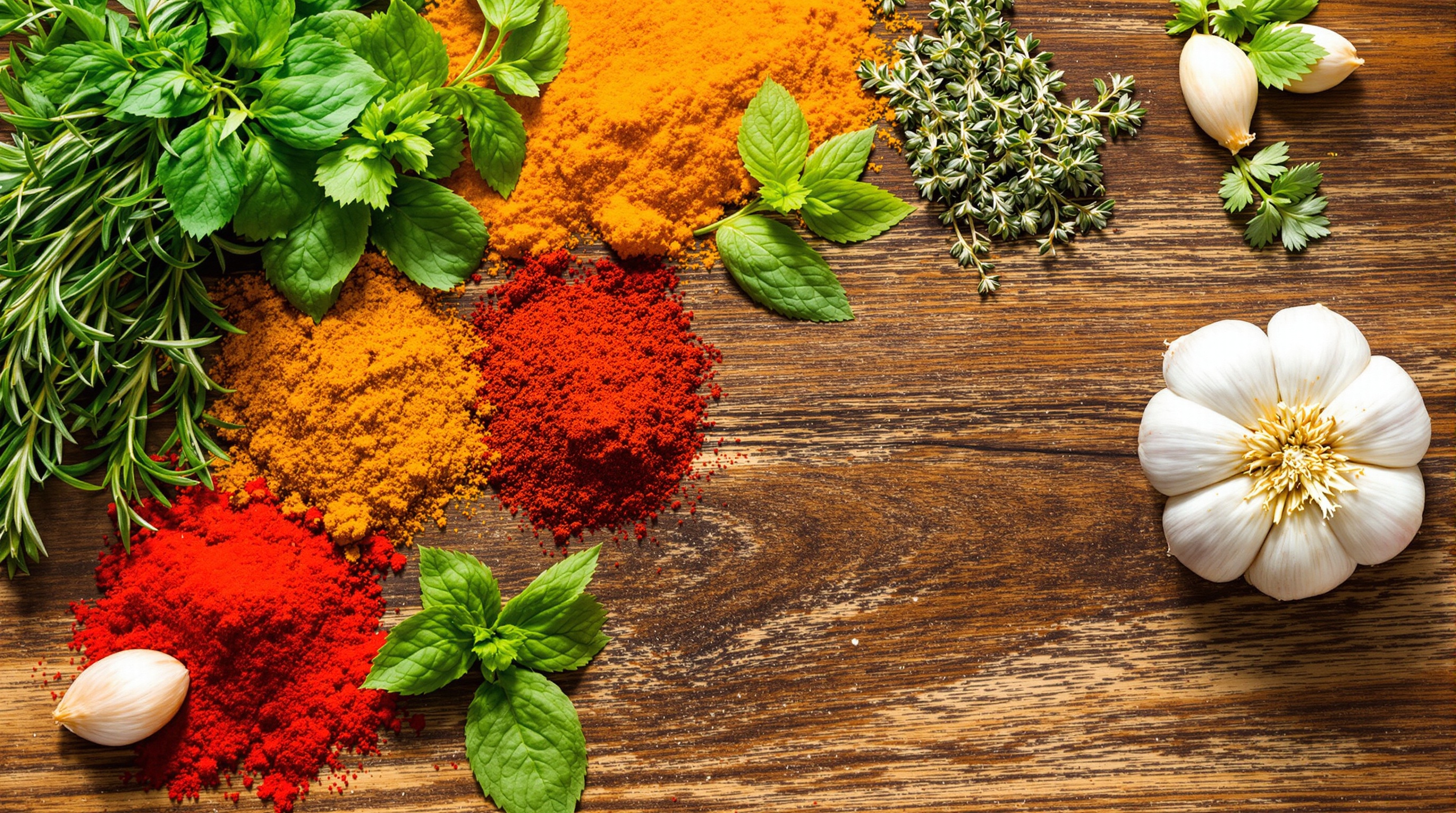
How to Make Low-Sodium Food Taste Great with Herbs and Spices
A practical guide to replacing salt with herbs and spices. Includes flavor pairings, a starter spice list, and easy recipes to try today.