The phone rings. The caller says they are from the IRS, or Medicare, or your bank. They sound professional. They say there is a problem with your account. They need you to act right now.
This is how most phone scams start. And they work. The Federal Trade Commission reported that Americans over 60 lost more than $3.4 billion to fraud in 2025. Phone calls remain the number one way scammers reach older adults.
Here is how to recognize the most common scams, what to do when you get a suspicious call, and how to protect yourself going forward.
The Five Most Common Phone Scams Right Now
1. The IRS Impersonation Scam
The caller claims to be from the IRS. They say you owe back taxes and will be arrested if you do not pay immediately. They may even spoof a Washington, D.C. phone number to look legitimate on your caller ID.
How to spot it: The IRS never calls to demand immediate payment. They never threaten arrest over the phone. The IRS always contacts you by mail first. They never ask for payment by gift card, wire transfer, or cryptocurrency.
2. The Medicare Scam
Someone calls claiming to be from Medicare. They say your Medicare card needs to be updated, or they are sending you a new card and just need to verify your information. What they really want is your Medicare number, which they can use to file false claims.
How to spot it: Medicare will never call you out of the blue to ask for your personal information. They will not ask for your Social Security number or bank details over the phone. If there is a legitimate change to your coverage, you will receive a letter in the mail.
3. The Tech Support Scam
You get a call (or a popup on your computer) saying your device has been hacked or has a virus. The caller wants you to give them remote access to your computer or pay for “protection” software.
How to spot it: Microsoft, Apple, and Google do not call customers about computer problems. They do not monitor individual devices. If someone calls offering to fix your computer, it is a scam. Hang up.
4. The Utility Shutoff Scam
A caller says your electric, gas, or water service will be disconnected within the hour unless you pay a past-due balance right now, usually by prepaid debit card or gift card.
How to spot it: Utility companies send multiple written notices before any shutoff. They do not demand payment by gift card. If you are worried about a real balance, hang up and call the number printed on your actual utility bill.
5. The Grandparent Scam
A caller pretends to be your grandchild, or says they are calling on behalf of your grandchild. They claim to be in trouble (car accident, jail, hospital) and need money right away. They beg you not to tell anyone.
How to spot it: Scammers count on your love and worry to override your judgment. Before sending any money, hang up and call your grandchild directly at their real phone number. If you cannot reach them, call another family member to verify.
Warning Signs That Apply to Every Scam Call
No matter what the story is, watch for these red flags:
- Urgency. “You must act NOW.” Legitimate organizations give you time to think and verify.
- Threats. “You will be arrested.” “Your account will be closed.” Real companies and government agencies do not threaten you into paying.
- Unusual payment methods. Gift cards, wire transfers, cryptocurrency, or cash by mail. No real business or government agency asks for these.
- Requests for personal information. Social Security numbers, bank account numbers, Medicare numbers, or passwords. No legitimate caller will ask for these out of the blue.
- Spoofed caller ID. Scammers can make any name or number appear on your caller ID. Even if it says “Social Security Administration” or shows a local number, that does not mean it is real.
What to Do When You Get a Suspicious Call
Step 1: Do not engage. If something feels off, trust that feeling. You do not owe the caller an explanation.
Step 2: Hang up. It is not rude. It is self-defense. You can always call back on a verified number if you think the call might be real.
Step 3: Do not press any buttons. Some scam calls say “Press 1 to speak to an agent” or “Press 2 to be removed from our list.” Pressing any button confirms your number is active and leads to more calls.
Step 4: Verify independently. If the caller claimed to be from your bank, the IRS, or Medicare, look up the real phone number yourself (from your statement, card, or official website) and call them directly.
Step 5: Tell someone. Scammers rely on isolation and embarrassment. Tell a family member, friend, or neighbor about the call. Talking about it helps you process what happened and warns others.
How to Reduce Scam Calls
You cannot eliminate scam calls entirely, but you can cut them down significantly.
Register with the Do Not Call list. Go to donotcall.gov or call 1-888-382-1222. This stops legitimate telemarketers. Scammers ignore it, but it reduces overall call volume.
Use your phone’s built-in call screening. Both iPhone and Android have features that filter suspected spam calls:
- iPhone: Go to Settings, then Phone, then Silence Unknown Callers. Calls from numbers not in your contacts go straight to voicemail.
- Android: Open the Phone app, tap the three-dot menu, go to Settings, then Caller ID and Spam. Turn on “Filter spam calls.”
Ask your phone company about call blocking. Most major carriers offer free or low-cost call-blocking tools:
- AT&T: ActiveArmor app
- Verizon: Call Filter app
- T-Mobile: Scam Shield app
Consider a call-blocking device. Products like the CPR Call Blocker connect to your landline and block known scam numbers. They cost between $50 and $100 and work without a subscription.
Do not answer calls from unknown numbers. Let them go to voicemail. If it is important, the caller will leave a message. Scammers rarely do.
If You Already Gave Information or Money
If you think you have been scammed, act fast:
- Call your bank or credit card company immediately. They may be able to stop or reverse a transaction.
- If you paid with a gift card, contact the gift card company (Apple, Google, Amazon, etc.) right away. Keep the card and receipt. Some companies can freeze the funds.
- Change your passwords if you gave out any login information.
- Place a fraud alert on your credit. Call any one of the three credit bureaus (Equifax, Experian, or TransUnion) and they will notify the other two.
- Report the scam to the FTC at reportfraud.ftc.gov and to your state attorney general’s office.
There is no shame in being targeted. Scammers are professionals. They do this all day, every day, and they are very good at it. Reporting what happened helps law enforcement track patterns and warn others.
Talk to Your Family About This
One of the best defenses against scams is a simple family agreement: “We will never send money based on a phone call alone. We will always verify first.”
Set up a family code word that only your close relatives know. If someone calls claiming to be a family member in trouble, ask for the code word. Scammers will not know it.
Make it normal to talk about scam calls the way you talk about the weather. The more comfortable everyone is discussing these calls, the less power the scammers have.
Where to Report Scams
- FTC: reportfraud.ftc.gov
- Social Security scams: oig.ssa.gov
- Medicare scams: 1-800-633-4227
- IRS scams: Report to TIGTA at treasury.gov/tigta
- Local police: File a report, especially if you lost money
You deserve to answer your phone without fear. By knowing the warning signs and having a plan, you take back that power.
Reported by Ellen Murphy with additional research from the SeniorDaily editorial team. For corrections or updates, please contact us.
Topics in this story
Social Security's 2.8% COLA for 2026: What It Means for Your Monthly Check
The 2026 cost-of-living adjustment adds about $50 to the average retiree's check. Here's the full breakdown and what to watch for.
Your 2026 Tax Return: Key Changes Every Retiree Should Know Before Filing
New standard deductions, updated brackets, and changes to retirement account rules could affect what you owe this year.
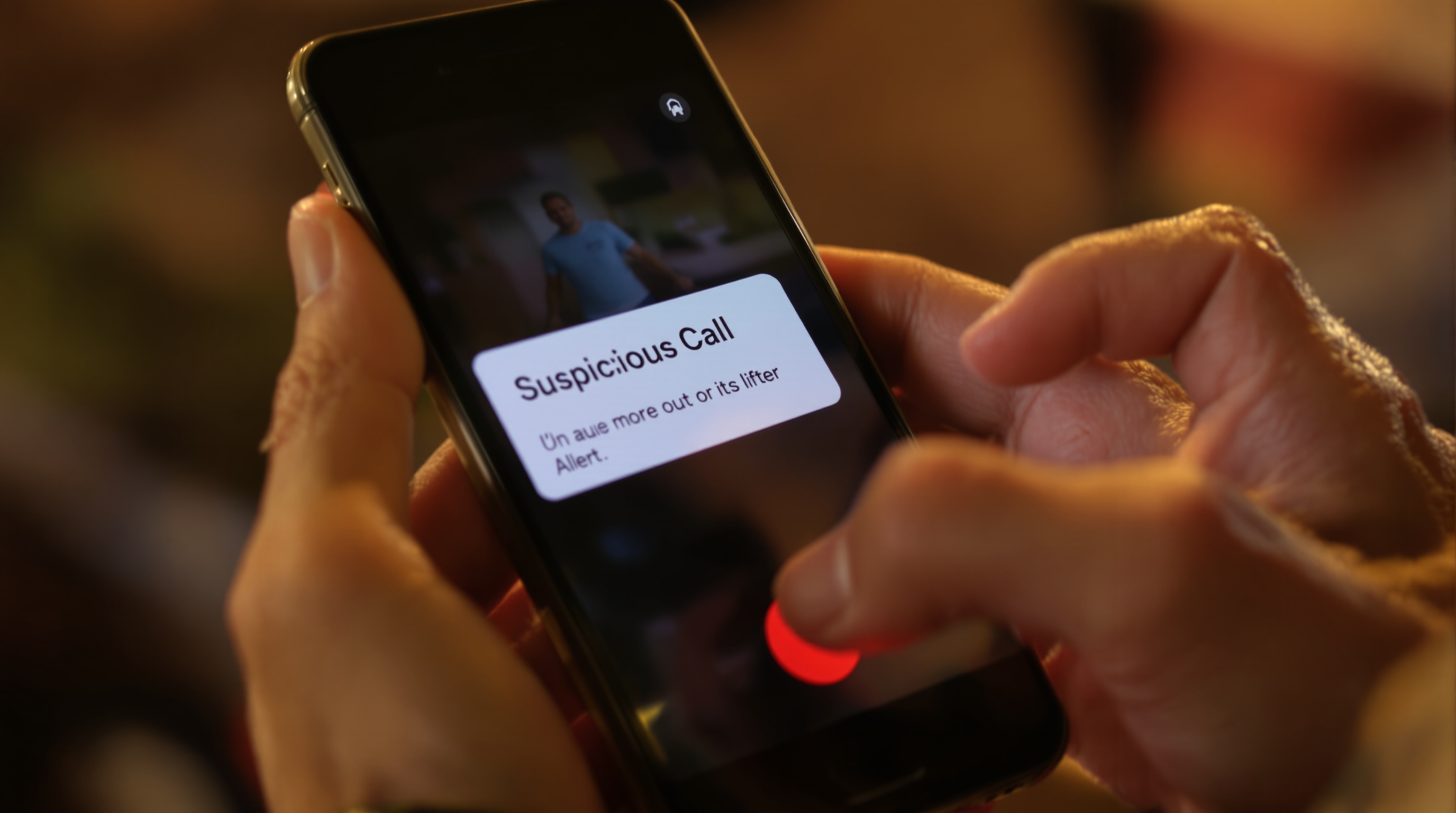
Elder Fraud Losses Top $5 Billion: FBI Report Shows Seniors Are the Fastest-Growing Target
The FBI's latest report reveals staggering fraud losses among older Americans. Here are the scams to watch for and how to protect yourself.