Retirement can feel quiet. The house is still. The schedule is open. For many retirees, that silence leads to one thought: “Maybe I should get a pet.”
It is a great idea. Pets bring love, routine, and purpose. But they also bring costs, vet visits, and daily care. Before you head to the shelter, here is what you need to know.
Why Pets Are Good for Retirees
Research backs up what pet owners already feel. Animals are good for your health. A 2023 study from the American Heart Association found that dog owners walk an average of 30 extra minutes per day. That adds up fast.
Pets also help with loneliness. After retirement, social contact can drop. A dog gives you a reason to visit the park. A cat curls up next to you during the evening news. Even a small bird can fill a room with life.
Here are some of the proven benefits:
- Lower blood pressure. Petting an animal calms the nervous system.
- More exercise. Dog owners move more than non-dog owners.
- Better mood. Pets reduce stress hormones and boost serotonin.
- Social connection. Dog parks and pet stores are great places to meet people.
- Daily routine. Feeding, walking, and grooming create healthy structure.
Choosing the Right Pet
Not every pet fits every lifestyle. A high-energy puppy is fun to watch, but it needs hours of attention. A senior dog may be a better match for a calm household.
Think about these questions before you decide:
- How active are you? If you walk daily, a medium-sized dog could be a great partner. If you prefer staying home, a cat or small dog may be better.
- Do you travel often? Frequent travelers need a pet that is easy to board or a friend who can pet-sit.
- Any health limits? Bending down to clean a litter box or walking on icy sidewalks may be hard for some people. Choose a pet that fits your physical ability.
- How much space do you have? Apartment dwellers may want a cat or small dog. Homeowners with yards have more options.
The Case for Adopting a Senior Pet
Senior pets (usually age 7 and older) are often overlooked at shelters. Puppies and kittens get adopted fast. Older animals wait longer.
But senior pets have big advantages for retirees:
- They are already trained. Most know basic commands and are housebroken.
- Their personality is clear. What you see is what you get. No surprises about size or energy level.
- They are calmer. Senior pets are past the chewing-everything phase.
- They need you. Giving a home to an older animal is one of the kindest things you can do.
Many shelters offer reduced adoption fees for senior pets. Some even cover the first vet visit.
Understanding the Costs
Pets are not free, even after adoption. The ASPCA estimates that the first year with a dog costs between $1,500 and $2,000. Cats are slightly less, around $1,000 to $1,500.
Here is a rough breakdown of annual costs:
- Food: $300 to $700, depending on size and diet
- Vet visits: $200 to $400 for routine checkups and vaccines
- Medications: $100 to $300 for flea, tick, and heartworm prevention
- Grooming: $0 to $500, depending on breed
- Supplies: $100 to $300 for toys, beds, leashes, and litter
- Emergency fund: Set aside $500 to $1,000 per year for unexpected vet bills
Pet insurance can help with large bills. Plans for older pets cost more, but they can save thousands if a serious health issue comes up.
Where to Adopt
Start with your local animal shelter or humane society. You can also search online through sites like Petfinder or Adopt-a-Pet. These sites let you filter by age, size, breed, and location.
Breed-specific rescue groups are another option. If you love golden retrievers or Persian cats, there is likely a rescue dedicated to that breed near you.
Before you adopt, ask the shelter staff these questions:
- What is this pet’s history?
- How does it behave around other animals?
- Does it have any health issues?
- What is its energy level like?
- Has it been around children or visitors?
Most shelters let you spend time with the animal before committing. Take advantage of that. Sit with the pet. See how it reacts to you.
Preparing Your Home
Before bringing your new friend home, make a few changes:
- Remove hazards. Pick up small items, secure loose cords, and move toxic plants out of reach.
- Set up a space. Give your pet its own bed, food bowls, and a quiet area to rest.
- Stock up on supplies. Buy food, treats, a leash or carrier, and any medications the shelter recommends.
- Find a vet. Schedule a checkup within the first week. Build a relationship with a vet you trust.
If you have mobility concerns, consider where you will store pet supplies. Keep food and bowls at counter height if bending is difficult. Use a raised feeder for dogs so you do not have to reach the floor.
Making a Long-Term Plan
One thing many pet owners overlook is planning for the future. What happens to your pet if you get sick or can no longer provide care?
Here are some steps to take:
- Name a pet guardian. Talk to a family member or friend who would take your pet if needed. Put it in writing.
- Include pets in your will. You can set aside money for your pet’s care and name a caretaker.
- Look into pet trusts. Some states allow legal trusts for animals. An attorney can help set one up.
- Keep records handy. Store vet records, medication lists, and feeding instructions where your emergency contact can find them.
These steps give you peace of mind. Your pet will be cared for no matter what.
The Emotional Side
Adopting a pet is emotional. The first few days can be stressful for both you and the animal. Your new pet may hide, refuse food, or seem scared. This is normal.
Give it time. Most pets settle in within one to two weeks. Be patient, keep a routine, and offer gentle attention.
And be ready for the deep bond that follows. Many retirees say their pet is the best decision they made after leaving work. The companionship is real. The love is unconditional.
Getting Started Today
If you are thinking about a pet, take these first steps:
- Visit your local shelter. Walk through and see who catches your eye.
- Talk to the staff. They know each animal’s personality.
- Think about your daily life. Be honest about what you can handle.
- Prepare your home and budget.
- Take the leap.
Millions of animals need homes. And millions of retirees need companionship. It is a match that works.
Reported by Helen Brady with additional research from the SeniorDaily editorial team. For corrections or updates, please contact us.
Topics in this story

The Best Small Towns for Retirement in 2026, According to New Rankings
New data reveals the best small towns for retirement in 2026. See which affordable, friendly communities made the list and what makes them stand out.
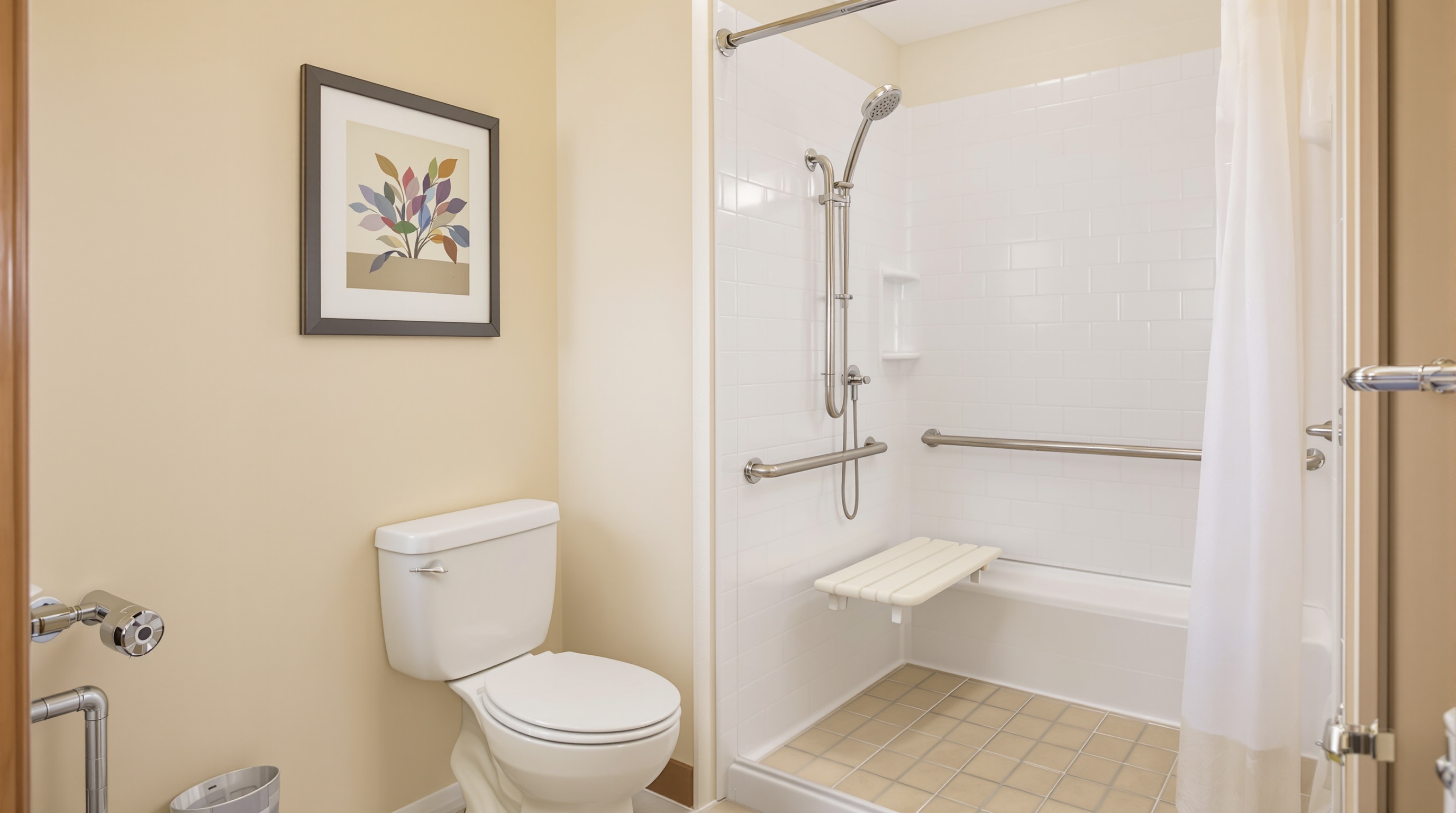
Aging in Place: Smart Home Modifications That Keep You Safe and Independent
Practical home modifications that help older adults stay safe and independent. From grab bars to lighting, here is what to change and what it costs.

The Gentle Art of Downsizing: A Room-by-Room Guide for When You Are Ready
A practical, room-by-room guide to downsizing your home. Tips for letting go, sorting belongings, and making the process less stressful.